Scientific View on Body Weight Homeostasis
Understanding the physiological mechanisms that regulate body composition and energy equilibrium
Introduction to Homeostasis
Body weight homeostasis refers to the physiological systems that maintain relatively stable body weight and composition over time. This stability emerges from complex interactions between energy intake, energy expenditure, and metabolic regulation. Understanding these mechanisms requires examining multiple levels: cellular metabolism, hormonal signaling, neural control, and behavioral factors.
The Energy Balance Equation
At the most basic level, body composition changes when energy intake differs persistently from energy expenditure. However, this simple equation masks the complexity underlying each component. Energy expenditure includes basal metabolic rate, thermic effects of food, and activity energy expenditure—each influenced by genetics, age, body composition, and behavior.
Hormonal Regulation Systems
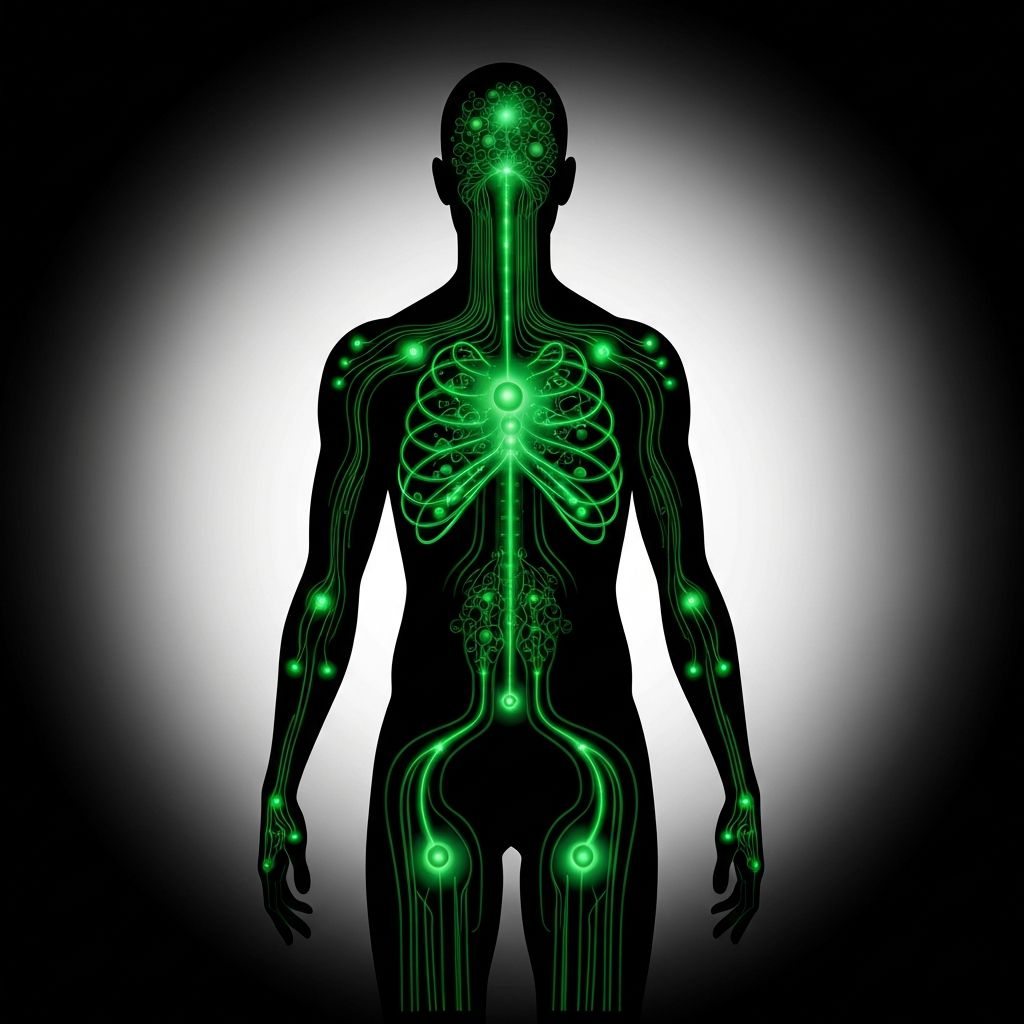
Multiple hormonal systems work together to regulate energy balance. Leptin, produced by adipose tissue, signals energy stores to the brain. Ghrelin, produced in the stomach, stimulates appetite. Insulin influences nutrient partitioning and energy storage. These hormones create feedback loops that adjust appetite, metabolism, and energy behavior based on energy status.
Metabolic Adaptation
When individuals consistently consume less energy than they expend, the body adapts by reducing metabolic rate and increasing hunger signals. Conversely, sustained energy surplus can lead to increased metabolic rate and satiety adjustments. These adaptive responses help stabilize body weight but also complicate sustained changes in composition.
Research demonstrates that metabolic adaptation occurs over weeks and months, not days. This temporal dimension is crucial: short-term data about energy balance does not predict long-term outcomes because the body's regulatory systems continuously adjust.
Nutrient Partitioning
Beyond total energy balance, the body partitions consumed nutrients into different tissues and metabolic fates. Protein intake and amino acid composition influence muscle protein synthesis. Carbohydrate and fat intake affect energy storage patterns. Physical activity and exercise influence how excess energy is partitioned between muscle gain and fat storage.
Individual differences in nutrient partitioning—influenced by genetics, training status, and hormonal profiles—explain why identical energy intakes produce different body composition outcomes among different people.
The Role of Physical Activity
Physical activity affects both sides of the energy equation: it increases immediate energy expenditure and influences long-term metabolic capacity through effects on muscle mass and mitochondrial density. Resistance exercise influences protein synthesis and body composition through mechanisms beyond simple calorie expenditure.
Integration and Complexity
Body weight homeostasis emerges from integrated systems, not isolated mechanisms. Hormonal signaling influences physical activity. Eating behavior shapes energy intake in response to metabolic status. Sleep quality affects both hormonal regulation and eating behavior. Stress influences both metabolism and food choices.
This systems-level understanding explains why body composition remains relatively stable for many people despite daily fluctuations in intake and activity. The homeostatic mechanisms continuously adjust to maintain a characteristic equilibrium.